Thursday, January 28, 2021

Town Of Schroeppel Single Family Homes For Sale 3 Homes

Save your filters and get updated when new homes hit the market. Second floor kitchen allows potential to make upstairs separate apartment. Zillow Group is committed to ensuring digital accessibility for individuals with disabilities. If you wish to report an issue or seek an accommodation, pleaselet us know. If you wish to report an issue or seek an accommodation, please let us know.
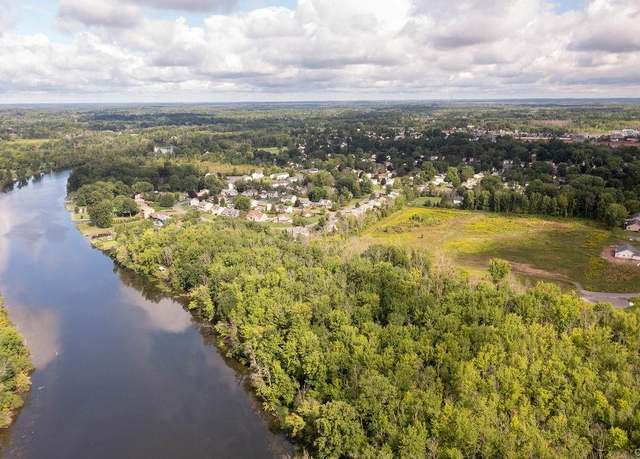
homes for sale schroeppel ny

Perfect opportunity to subdivide, 5 miles from Great Northern Mall and 7.5 miles from the new Micron site. This is a semi developed parcel with an unpaved driveway in to it heart. Which is cleared, but the remainder is mixed hard and soft woods 80%.

More to explore in Schroeppel

Floor has been prepped for a new owner to add concrete. One garage door opener is prepped to be electric. One hanging shelf, one wall mount shelf, and the shed to do not convey. Two overhead hanging shelves and two security cameras do convey. Currently zoned commercial, sellers have started the process with the town to have it changed to an overlay district to make it residential.

homes for sale schroeppel ny

Sorry, we don't have any nearby similar homes to display. Can sell for about 14% above list price and go pending in around 8 days. Most homes have some risk of natural disasters, and may be impacted by climate change due to rising temperatures and sea levels. Popular points of interest near 533 State Route 264 include Anheuser-Busch, Driveway Inn, and Starbucks.

High Schools

Fire Co, Post office, churches, a bar and ice cream shoppe. Realty sings on the road up and down hill from driveway mark the bounds with survey pins too. The listing broker’s offer of compensation is made only to participants of the MLS where the listing is filed.

homes for sale schroeppel ny

Many homes get multiple offers, some with waived contingencies. Consult with a real estate agent for specific fee information in your area. Our Schroeppel real estate stats and trends will give you more information about home buying and selling trends in Schroeppel. Property features 64.15 acres with 953' of road frontage on state route 264 and 2684' of road frontage on Besaw Rd.

Schroeppel, NY Real Estate and Homes for Sale

Road traffic is plentiful providing so many business opportunities to serve the area as it prepares for a huge economic upturn! Land is mostly cleared and flat with a creek that runs along the back side. Fantastic opportunity to own close to 34 acres just off route 31 in town of Clay. Property currently zoned Res vacant with improvements and has potential for commercial development less than 1/2 mile from future Micron Microchip site. Newly built 56 x 40 pole barn with 200 amp service is ready for your vision!

Home facts updated by county records on Dec 21, 2022. 533 State Route 264 is serviced by 5 Internet service providers, including Spectrum, Windstream, T-Mobile 5G Home Internet, Viasat Internet. The best available Internet option for 533 State Route 264 is provided by Spectrum, using Cable technology with speeds up to 1000 Mbps. Additional Internet options for this home include DSL, Fixed Wireless, Satellite, Satellite provided by Windstream, T-Mobile 5G Home Internet, Viasat Internet. Some features of this website may not work until you update to a supported browser. Based on Redfin calculations of home data from MLS and/or public records.

Redfin does not endorse nor guarantee this information. By providing this information, Redfin and its agents are not providing advice or guidance on flood risk, flood insurance, or other climate risks. Redfin strongly recommends that consumers independently investigate the property’s climate risks to their own personal satisfaction. If you're looking to sell your home in the Schroeppel area, our listing agents can help you get the best price. School service boundaries are intended to be used as reference only.

homes for sale schroeppel ny

There are roughly 8,515 residents, living in 3,346 households. The average temperature for Schroeppel this time of the year is low of 20F and high of 34F. On average, Schroeppel gets about 3.76 inches of precipitation in December. Most residents are home owners (75%), have a high school diploma (60%) and are single, no kids (36%). The average homes sell for about 6% above list price and go pending in around 24 days.

What is it like to live in Schroeppel, New York?

This advertisement does not suggest that the broker has a listing in this property or properties or that any property is currently available. Based on Redfin's market data, we calculate that market competition in 13135, this home's neighborhood, is very competitive. Homes sell for about 6% above list price and go pending in around 24 days.

homes for sale schroeppel ny

(also known as White Pine Commerce Park. ) The two parcels, zoned as I-2 industrial, offer great circulation with access points from both Rt 31 and Van Hoesen Road. The location is ideal with accessibility to interstate highways, 481 to the west and south, I-81 and CSX railroad to the east. In addition, the site has natural gas, electric and public water. Attached is a flyover video and renderings showing the possibilities for both warehouse and manufacturing. The data relating to real estate for sale on this web site comes in part from CNYIS, Inc., UNYREIS and WNYREIS.

Almost 11 acre ( 10.87) parcel in high development area! Level, waterfront on Mud Creek, all utilities available and currently connected. Check out this unique property with almost 40 acres of beautiful land.

Nearby grocery stores include Wegmans, Tops Friendly Markets, and Mclane-Northeast. Nearby food & drink options include Anheuser-Busch, Driveway Inn, and Starbucks. Parks near 533 State Route 264 include Lysander Parks & Recreation, Pleasant Lake Rv Park, and Volney Town Bookkeeper.

We found 30 more homes matching your filters just outside Schroeppel

The home itself is a blank canvas so you can build up some sweat equity and make it your own. The property is conveniently located to between Fulton, Phoenix and Baldwinsville with easy access to major highways. Rocket Homes Real Estate LLC is committed to ensuring digital accessibility for individuals with disabilities. We are continuously working to improve the accessibility of our web experience for everyone, and we welcome feedback and accommodation requests. If you wish to report an issue or seek an accommodation, please contact us at

homes for sale schroeppel ny

Great lot to build your future home with an acre of land. Minutes from the village of Central Square and still all the country space and surroundings. Please complete the Challenge below, to regain access to the site.

Wednesday, August 26, 2020

+29 Should College Education Be Free References

Choosing Good College Education Taranaki Multiple Sclerosis Society
Choosing Good College Education Taranaki Multiple Sclerosis Society from www.mstaranaki.co.nz

Is college education worth the cost? This is a question that many students and their families grapple with. The rising cost of tuition has made higher education increasingly unaffordable for many, leading to a debate over whether college education should be free. In this article, we will explore the arguments for and against free college education, and delve into the potential implications of such a policy.

One of the main pain points surrounding the issue of free college education is the burden of student loan debt. Many students graduate with thousands of dollars in debt, which can take years or even decades to pay off. This can have a significant impact on their financial future, limiting their ability to buy a home, start a family, or save for retirement. Additionally, the cost of college can be a deterrent for low-income students, who may not have access to the same opportunities as their wealthier peers.

So, should college education be free? Proponents argue that free college education would level the playing field and provide equal opportunities for all students, regardless of their socioeconomic background. They believe that education is a fundamental right and that everyone should have access to higher education, regardless of their ability to pay. They also argue that a more educated workforce would lead to increased economic growth and innovation.

On the other hand, opponents of free college education argue that it would be too costly and unsustainable. They argue that taxpayers should not be responsible for funding the education of others, and that individuals should be responsible for their own educational expenses. They also worry that free college education would devalue a college degree, as more people would have access to higher education.

Should College Education Be Free: A Personal Experience

As a first-generation college student, I understand the challenges and sacrifices that come with pursuing a higher education. Growing up in a low-income household, I knew that paying for college would be a struggle. However, with the help of scholarships and financial aid, I was able to attend college and graduate with minimal debt.

Having experienced the financial burden of college, I can see the appeal of free college education. It would alleviate the stress and financial strain that many students and their families face. It would also open up opportunities for individuals who may not have otherwise been able to pursue a college degree.

However, I also recognize the potential drawbacks of free college education. Without proper funding and resources, the quality of education may suffer. Additionally, there may be an oversupply of college graduates, which could lead to increased competition for jobs.

The History and Myth of Free College Education

The idea of free college education is not new. In fact, countries such as Germany, Norway, and Finland already offer free college education to their citizens. These countries believe that investing in education is an investment in their future.

However, the myth that free college education means completely free is not accurate. In these countries, while tuition fees may be waived, students are still responsible for other expenses such as books, housing, and living costs. Additionally, these countries have higher taxes to fund their education systems.

The Hidden Secret of Free College Education

While the idea of free college education may sound appealing, it is important to consider the hidden costs. Implementing such a policy would require a significant investment of taxpayer dollars. This could potentially lead to higher taxes or cuts to other government programs.

Furthermore, free college education may not address the underlying issues of affordability and accessibility. Other factors such as the cost of living, lack of resources, and systemic barriers may still prevent some students from pursuing higher education.

Recommendation of Should College Education Be Free

Instead of focusing solely on whether college education should be free, we should be looking at ways to make higher education more affordable and accessible for all students. This could include increasing funding for financial aid programs, expanding community college options, and promoting alternative pathways to careers.

Should College Education Be Free: Exploring the Options

There are different models and strategies that can be considered when discussing the possibility of free college education. Some propose making community college free, while others suggest implementing a progressive tax system to fund higher education. It is important to explore these options and consider their potential impact on students and the economy.

Tips for Navigating College Education Costs

While the debate over free college education continues, there are steps that students can take to navigate the costs of higher education. These include applying for scholarships and grants, exploring financial aid options, and considering community college or trade school as alternatives to traditional four-year universities.

Conclusion of Should College Education Be Free

The question of whether college education should be free is a complex one, with valid arguments on both sides. While free college education may seem like an ideal solution, it is important to consider the potential drawbacks and hidden costs. Instead of focusing solely on making college education free, we should be working towards making higher education more affordable and accessible for all students.

+29 How Many Colleges Are There References

PPT Finding the Right Fit College Planning for Gifted Kids
PPT Finding the Right Fit College Planning for Gifted Kids from www.slideserve.com

Are you curious about how many colleges are there in the world? Do you want to know the facts, figures, and interesting details about colleges across the globe? If so, you've come to the right place! In this article, we will explore the topic of how many colleges are there and provide you with valuable insights and information.

When it comes to the number of colleges worldwide, there are several pain points that individuals might encounter. For students, choosing the right college can be overwhelming due to the sheer number of options available. Parents may also feel the pressure of finding a college that meets their child's needs and aspirations. Additionally, educators and policymakers face the challenge of ensuring access to quality education for all students, regardless of their geographical location or socioeconomic background.

The answer to the question "how many colleges are there" is not a straightforward one. The exact number of colleges globally is constantly changing as new institutions are established and existing ones evolve or close down. However, according to recent data, there are thousands of colleges spread across different countries, offering a wide range of programs and degrees.

How Many Colleges Are There: Explained

Now, let's delve deeper into the topic of how many colleges are there. To provide a comprehensive understanding, let's start with a personal experience. Imagine you are a high school student preparing for college applications. You are excited about the possibilities that lie ahead but also overwhelmed by the abundance of choices.

As you begin your research, you come across various types of colleges, including community colleges, liberal arts colleges, technical institutes, and universities. Each institution has its own unique offerings, admission requirements, and campus culture. Exploring these options can help you narrow down your choices and find the best fit for your academic and personal goals.

When it comes to the history and myth surrounding how many colleges are there, it is fascinating to learn about the origins of higher education institutions. Colleges have been around for centuries, with some of the oldest universities dating back to the Middle Ages. These institutions have played a crucial role in shaping societies, advancing knowledge, and fostering intellectual growth.

While many colleges are well-known and have established reputations, there are hidden secrets within the world of higher education. Some colleges offer unique programs or have a strong focus on specific fields or industries. These hidden gems can provide students with specialized education and opportunities that may not be readily available at more widely recognized institutions.

Recommending How Many Colleges Are There

With so many colleges to choose from, it's essential to have a clear understanding of your goals and priorities. Consider factors such as location, academic programs, campus culture, and financial affordability. Researching and visiting colleges can help you make an informed decision and find the right fit for your educational journey.

Exploring the Diversity of Colleges

When it comes to the diversity of colleges, there is a wide range of options available. Some colleges focus on specific academic disciplines, such as engineering or business, while others offer a broad liberal arts education. Additionally, colleges may vary in terms of size, location, student population, and resources. Exploring this diversity can help you find a college that aligns with your interests and aspirations.

Tips for Choosing a College

Choosing a college can be an overwhelming process, but by following these tips, you can make a more informed decision:

1. Identify your priorities: Consider what is most important to you, such as academic programs, location, campus culture, or financial aid opportunities.

2. Research college options: Explore different colleges and universities online, read student reviews, and visit campuses if possible.

3. Seek guidance: Talk to guidance counselors, teachers, and current college students to gather insights and advice.

4. Consider your future goals: Think about your career aspirations and how different colleges can support your academic and professional growth.

Conclusion of How Many Colleges Are There

In conclusion, the number of colleges worldwide is vast and constantly evolving. Choosing the right college requires careful consideration of personal goals, academic interests, and individual preferences. By exploring the diverse options available and conducting thorough research, you can find a college that provides the best educational experience for your future success.

Tuesday, August 25, 2020

Cool What Do Colleges Look For In Extracurricular Activities Ideas

Guidance on Extracurriculars for College Admissions
Guidance on Extracurriculars for College Admissions from www.stoodnt.com

Are you a student wondering what colleges are looking for in extracurricular activities? Well, you're not alone! Many students are unsure about what colleges prioritize when it comes to extracurricular involvement. In this article, we will explore what colleges look for in extracurricular activities and provide you with some helpful tips along the way.

Understanding the Importance of Extracurricular Activities

Extracurricular activities play a significant role in the college admissions process. While good grades and test scores are important, colleges also want to see well-rounded students who have actively participated in activities outside of the classroom. These activities showcase your interests, passions, and skills, and can demonstrate your ability to manage your time effectively.

What Do Colleges Look for in Extracurricular Activities?

When evaluating extracurricular activities, colleges consider various factors:

  • Leadership positions
  • Long-term commitment
  • Impact and achievements
  • Diversity of activities
  • Passion and genuine interest

Colleges want to see that you have taken on leadership roles within your activities, as it demonstrates your ability to take initiative and work well with others. Long-term commitment is also valued, as it shows dedication and perseverance. Additionally, colleges look for activities that have had a significant impact on your community or personal growth. Diversity of activities can demonstrate your ability to explore different interests and adapt to new environments. Most importantly, colleges want to see that you are genuinely passionate about your extracurricular involvements.

In summary, colleges are looking for students who have made a meaningful impact through their extracurricular activities, taken on leadership roles, and demonstrated a genuine passion for their pursuits.

Personal Experience: My Journey in Extracurricular Activities

Throughout high school, I was actively involved in various extracurricular activities. One of my most significant involvements was joining the student council. I started as a member and eventually became the president in my senior year. This experience allowed me to develop leadership skills, work collaboratively with my peers, and organize successful events for the student body.

Another activity I pursued was volunteering at a local animal shelter. I had a genuine passion for animal welfare and dedicated my weekends to helping out. This commitment not only allowed me to give back to my community but also taught me valuable lessons about responsibility and empathy.

These experiences taught me that colleges value not only the positions you hold but also the impact you make and the personal growth you achieve through your activities.

Exploring the History and Myth of Extracurricular Activities

Extracurricular activities have a long-standing history in the education system. They were initially introduced as a way to promote holistic development and provide students with opportunities to explore their interests outside of the academic curriculum. However, there is a common myth that only certain activities, such as sports or music, hold value in the eyes of colleges. This is simply not true.

Colleges appreciate a wide range of activities, including community service, academic clubs, creative arts, and more. The key is to pursue activities that align with your interests and showcase your unique talents and skills.

The Hidden Secret of Extracurricular Activities

One hidden secret about extracurricular activities is that quality matters more than quantity. It's better to have a few meaningful and impactful activities rather than a long list of superficial involvements. Admissions officers can easily recognize genuine commitment and passion, so focus on activities that truly resonate with you.

Additionally, extracurricular activities provide an opportunity for self-discovery and exploration. They allow you to step out of your comfort zone, build new relationships, and develop crucial life skills. The benefits extend far beyond the college admissions process.

Recommendations for Extracurricular Activities

Here are some recommendations to make the most of your extracurricular activities:

  1. Follow your passions: Pursue activities that genuinely interest you.
  2. Commitment is key: Stick with activities for an extended period to demonstrate dedication.
  3. Take on leadership roles: Show that you can take initiative and inspire others.
  4. Make an impact: Seek opportunities to make a difference, whether in your school or community.

By following these recommendations, you can enhance your college application and showcase your unique qualities and abilities.

Going Beyond the Surface: Exploring the Impact of Extracurricular Activities

Extracurricular activities provide students with valuable opportunities for personal growth and development. They can help you develop essential skills such as time management, teamwork, and leadership. Furthermore, extracurricular involvements can shape your character, build your self-confidence, and foster a sense of belonging.

Colleges recognize the value of these experiences and view them as indicators of your potential for success in college and beyond. They want to see that you have actively pursued your interests and made a positive impact on your community.

Tips for Excelling in Extracurricular Activities

Here are some tips to excel in your extracurricular activities:

  1. Set goals: Identify what you want to achieve in your activities and work towards those goals.
  2. Manage your time: Balance your academic responsibilities with your extracurricular involvements.
  3. Seek mentorship: Connect with individuals who can guide and support you in your activities.
  4. Reflect and learn: Continuously evaluate your experiences and identify areas for growth.

By implementing these tips, you can maximize the benefits of your extracurricular activities and showcase your dedication and growth.

Answering Common Questions about Extracurricular Activities

Q: Can I include activities outside of school in my college application?

A: Absolutely! Colleges value both school-based and community-based activities. Any involvement that showcases your skills and interests is worth including.

Q: What if I don't have any leadership positions in my activities?

A: Leadership positions are not the only way to demonstrate leadership skills. You can showcase leadership qualities through your actions, such as taking initiative, being responsible, and motivating others.

Q: How many extracurricular activities should I participate in?

A: Quality is more important than quantity. It's better to have a few meaningful and impactful activities in which you have invested time and effort.

Q: Can I include activities from previous years in my college application?

A: Yes, you can include activities from any point in your high school career. Just make sure to highlight the most significant and relevant experiences.

Conclusion of What Do Colleges Look for in Extracurricular Activities

In conclusion, colleges are looking for well-rounded individuals who have actively participated in extracurricular activities. They value leadership, commitment, impact, diversity, and genuine passion. By pursuing activities aligned with your interests and making a meaningful impact, you can enhance your college application and showcase your unique qualities. Remember, it's not about the number of activities, but the depth of your involvement and the personal growth you achieve.

The Best How Many Colleges In The United States Ideas

List Of The Largest United States Colleges And Universities By
List Of The Largest United States Colleges And Universities By from boelah.blogspot.com

Are you curious about how many colleges there are in the United States? Well, you're not alone! Many people are interested in this topic, whether they're considering higher education options or just curious about the education system in the US. In this article, we'll explore the number of colleges in the United States, their history, and some interesting facts about them. So, let's dive in and discover all there is to know about how many colleges in the United States!

When it comes to the topic of how many colleges there are in the United States, there are a few pain points that often come up. For example, many people wonder if there are enough colleges to accommodate the growing number of students seeking higher education. Others may be concerned about the quality and accessibility of these colleges. These pain points highlight the importance of understanding the number and variety of colleges in the United States.

So, how many colleges are there in the United States? As of 2023, there are over 5,000 colleges and universities in the country. This number includes both public and private institutions, ranging from small liberal arts colleges to large research universities. With such a wide variety of options, students have numerous choices when it comes to pursuing higher education.

In summary, there are over 5,000 colleges and universities in the United States, offering a diverse range of educational opportunities. Whether you're looking for a small, intimate college experience or a large, research-focused university, there's likely a college that fits your needs.

How Many Colleges in the United States: Explained

Now that we've covered the basics of how many colleges there are in the United States, let's take a deeper look into this topic. To start, it's important to understand what exactly is meant by "colleges" in this context. In the US, the term "college" typically refers to institutions that offer undergraduate degrees, while "universities" offer both undergraduate and graduate programs.

When it comes to the number of colleges in the United States, it's worth noting that this includes both public and private institutions. Public colleges and universities are funded by the government and often offer lower tuition rates for in-state students. Private colleges, on the other hand, rely on tuition and private donations for funding and may have higher tuition costs.

Additionally, the number of colleges in the United States is constantly changing as new institutions are established and others may merge or close. This dynamic nature ensures that there are always new opportunities for students to pursue higher education.

Overall, the number of colleges in the United States is vast and offers a wide range of educational opportunities for students. Whether you're interested in pursuing a degree in the arts, sciences, or any other field, there's likely a college that specializes in your area of interest.

History and Myth of How Many Colleges in the United States

As we explore the history of how many colleges there are in the United States, it's fascinating to see how these institutions have evolved over time. The roots of higher education in the US can be traced back to the colonial era, with the establishment of Harvard University in 1636, followed by other Ivy League schools.

Over the years, the number of colleges in the United States has grown significantly, fueled by a growing demand for education and the expansion of the country. In the 19th century, the establishment of land-grant universities, such as the University of California and Texas A&M University, aimed to provide practical education to a broader population.

While the history of colleges in the United States is rich and diverse, there are also some myths and misconceptions about these institutions. One common myth is that attending a prestigious college guarantees success. While attending a well-known college can certainly open doors, success ultimately depends on the individual's determination, skills, and opportunities.

Another myth is that college is only for young students. In reality, many colleges offer programs and support for adult learners who may be returning to school later in life. These programs cater to the unique needs and schedules of adult students, making higher education more accessible to a broader range of individuals.

In conclusion, the history of colleges in the United States is fascinating and has shaped the educational landscape we see today. While there are myths and misconceptions surrounding these institutions, they continue to provide valuable opportunities for individuals of all backgrounds and ages.

The Hidden Secret of How Many Colleges in the United States

When it comes to how many colleges there are in the United States, there's a hidden secret that many people may not be aware of. While the number of colleges may seem overwhelming, it's important to remember that not all colleges are created equal.

Some colleges have a strong focus on research and offer extensive opportunities for students to engage in cutting-edge research projects. These institutions often attract top faculty members and provide state-of-the-art facilities to support research endeavors.

Other colleges may prioritize teaching and provide a more intimate classroom experience. These institutions often have smaller class sizes, allowing for more personalized attention and interaction with professors.

Additionally, some colleges may specialize in specific fields or have unique programs that set them apart from others. For example, there are colleges that focus on the arts, sciences, business, or engineering, offering specialized curricula and resources for students interested in these areas.

Understanding the hidden secret of how many colleges there are in the United States allows students to find the best fit for their educational goals and interests. By researching and exploring different colleges, students can discover the unique opportunities and advantages each institution offers.

Recommendation for How Many Colleges in the United States

With over 5,000 colleges and universities in the United States, choosing the right one can feel like a daunting task. To make the process easier, here are a few recommendations:

  1. Research: Take the time to research different colleges and their programs. Consider factors such as location, size, academic offerings, and campus culture.
  2. Visit: Whenever possible, visit the colleges you're interested in. This will give you a firsthand experience of the campus environment and allow you to ask questions.
  3. Connect: Reach out to current students, alumni, or professors at the colleges you're considering. They can provide valuable insights and answer any questions you may have.
  4. Consider your goals: Think about your long-term goals and how each college aligns with them. Consider factors such as career services, internship opportunities, and alumni networks.

By following these recommendations, you'll be well-equipped to make an informed decision about which college is the best fit for you.

How Many Colleges in the United States and Student Opportunities

When it comes to how many colleges there are in the United States, it's important to consider the vast opportunities available to students. These opportunities go beyond just earning a degree and can have a significant impact on a student's personal and professional growth.

One of the key opportunities provided by colleges in the United States is the chance to explore different fields of study. Many colleges offer a wide range of majors and minors, allowing students to pursue their passions and interests. This flexibility enables students to discover new subjects and potentially change their career paths.

Colleges also provide numerous extracurricular activities and clubs for students to get involved in. Whether it's joining a sports team, participating in a student organization, or taking part in community service, these activities offer valuable experiences and help students develop leadership and teamwork skills.

Furthermore, colleges often have strong alumni networks that can provide valuable connections and career opportunities. Alumni may offer mentorship, internships, or job placements, giving students a head start in their professional lives.

In conclusion, the number of colleges in the United States translates into a multitude of opportunities for students. From exploring different fields of study to engaging in extracurricular activities and building professional connections, colleges offer a holistic and transformative educational experience.

Tips for How Many Colleges in the United States

Choosing a college can be an overwhelming process, but with these tips, you can navigate the options more effectively:

  1. Start early: Begin researching and exploring colleges well before your senior year of high school. This will give you ample time to gather information and make informed decisions.
  2. Consider your preferences: Think about what factors are important to you in a college, such as location, size, academic offerings, and campus culture. This will help you narrow down your options.
  3. Seek guidance: Talk to your school counselor, teachers, and family members for advice and guidance. They can provide valuable insights and help you navigate the college application process.
  4. Visit campuses: Whenever possible, visit the colleges you're interested in. This will give you a firsthand experience of the campus environment and help you determine if it's the right fit for you.
  5. Apply to multiple colleges: It's always a good idea to apply to a range of colleges, including reach schools, target schools, and safety schools. This will give you options and increase your chances of acceptance.

By following these tips, you'll be well-prepared to make a confident decision about which college to attend.

What if There Were No Colleges in the United States?

Imagine a world without colleges in the United States. Without these institutions, individuals would have limited opportunities for higher

Monday, August 24, 2020

The Best Is A Counselor A Good Career References

Are Career Counselors Worth It? The Motley Fool
Are Career Counselors Worth It? The Motley Fool from www.fool.com

Are you considering a career as a counselor? Do you want to help people navigate their emotions and find solutions to their problems? If so, you may be wondering if being a counselor is a good career choice. In this article, we will explore the ins and outs of being a counselor and discuss whether it is a fulfilling and rewarding profession.

Many people struggle with mental health issues, relationship problems, and other challenges that require professional guidance. As a counselor, you would have the opportunity to make a positive impact on people's lives by providing them with the support and guidance they need. However, being a counselor can also be emotionally demanding and require a great deal of patience and empathy.

So, is a counselor a good career? The answer depends on your interests, strengths, and personal values. If you have a genuine desire to help others and are passionate about mental health and personal growth, then a career as a counselor could be a perfect fit for you. It is a profession that allows you to make a difference in people's lives and contribute to their overall well-being.

Personal Experience with Being a Counselor

When I first considered becoming a counselor, I was drawn to the idea of being able to support individuals in their journey towards self-discovery and healing. I wanted to create a safe and non-judgmental space for my clients to explore their emotions and find solutions to their problems. Over the years, I have witnessed the transformative power of counseling and the positive impact it can have on people's lives.

As a counselor, you have the opportunity to work with a diverse range of clients and help them overcome various challenges. Whether it's helping someone navigate a difficult relationship, cope with loss and grief, or manage stress and anxiety, being a counselor allows you to make a real difference in people's lives. It is a profession that requires active listening, empathy, and the ability to build trust and rapport with your clients.

What is a Counselor?

A counselor is a trained professional who provides guidance and support to individuals, couples, families, and groups. They help people explore their thoughts, feelings, and behaviors, and work towards personal growth and positive change. Counselors use a variety of therapeutic techniques and approaches to help their clients overcome challenges and improve their overall well-being.

One of the key roles of a counselor is to provide a safe and non-judgmental space for their clients to express themselves and explore their emotions. They offer support and guidance, helping their clients gain insight into their problems and develop strategies to overcome them. Counselors also assist clients in setting goals, making decisions, and developing coping skills to deal with life's challenges.

History and Myth of Being a Counselor

The profession of counseling has a long and rich history, dating back to ancient times. In ancient Greece, for example, individuals sought the advice of philosophers and wise men to help them navigate their personal and moral dilemmas. These early counselors provided guidance and support to those in need, much like modern-day counselors do.

Throughout history, the role of the counselor has evolved and adapted to the changing needs of society. Today, counselors work in a variety of settings, including schools, hospitals, private practices, and community organizations. They play a crucial role in promoting mental health and well-being and helping individuals lead fulfilling and meaningful lives.

The Hidden Secret of Being a Counselor

While being a counselor can be a rewarding and fulfilling career, it is not without its challenges. One of the hidden secrets of being a counselor is the emotional toll it can take on practitioners. Counselors often work with clients who are experiencing intense emotions, trauma, and difficult life circumstances. It is essential for counselors to prioritize self-care and seek support from their peers and supervisors to prevent burnout and compassion fatigue.

Another hidden secret is the ongoing learning and professional development required to be a counselor. The field of counseling is constantly evolving, and counselors must stay up-to-date with the latest research and therapeutic techniques. This commitment to lifelong learning ensures that counselors can provide the best possible care to their clients and continuously improve their skills and knowledge.

Recommendation for Those Considering a Career as a Counselor

If you are considering a career as a counselor, here are a few recommendations to help you make an informed decision:

  1. Research the different counseling specialties and choose one that aligns with your interests and goals.
  2. Gain practical experience by volunteering or interning in a counseling setting.
  3. Explore the educational requirements and licensing process for becoming a counselor in your area.
  4. Connect with professionals in the field and seek their guidance and advice.

Exploring the Role of a Counselor

Being a counselor is a multifaceted role that involves providing support, guidance, and therapy to individuals, couples, families, and groups. Counselors help their clients explore their thoughts, feelings, and behaviors and work towards personal growth and positive change. They play a crucial role in promoting mental health and well-being and helping individuals lead fulfilling and meaningful lives.

Tips for a Successful Career as a Counselor

If you decide to pursue a career as a counselor, here are some tips to help you succeed:

  • Develop strong communication and listening skills.
  • Practice self-care and prioritize your well-being.
  • Stay curious and continue learning throughout your career.
  • Seek supervision and support from experienced counselors.

Conclusion of Being a Counselor

Being a counselor can be a rewarding and fulfilling career choice for those who have a genuine desire to help others and are passionate about mental health and personal growth. It is a profession that allows you to make a positive impact on people's lives and contribute to their overall well-being. However, it is essential to be aware of the emotional demands and ongoing learning required in this field. If you are considering a career as a counselor, take the time to research and explore the different counseling specialties and connect with professionals in the field to gain a better understanding of what it entails. By doing so, you can make an informed decision about whether being a counselor is the right career path for you.

Sunday, August 23, 2020

Cool Heavner Canoe & Kayak Rental Ideas

Heavner Canoe & Kayak Rental (Milford) All You Need to Know BEFORE You Go
Heavner Canoe & Kayak Rental (Milford) All You Need to Know BEFORE You Go from www.tripadvisor.com

Are you looking for an exciting outdoor adventure? Look no further than Heavner Canoe & Kayak Rental. Whether you're a seasoned paddler or new to the sport, Heavner has everything you need to have a memorable experience on the water.

At Heavner Canoe & Kayak Rental, we understand the frustration of trying to find quality equipment and a reliable rental service. That's why we pride ourselves on offering top-notch gear and exceptional customer service. We want to make your experience as enjoyable and stress-free as possible.

Are you wondering what sets Heavner Canoe & Kayak Rental apart from other rental services? The answer is simple - we cater to all skill levels. Whether you're a beginner looking for a leisurely paddle or an experienced paddler seeking a challenging adventure, we have the perfect equipment and route for you.

In summary, Heavner Canoe & Kayak Rental offers high-quality equipment, exceptional customer service, and a variety of options for all skill levels. Whether you're a beginner or an experienced paddler, we have everything you need for a memorable outdoor adventure.

Experience the Thrill of Heavner Canoe & Kayak Rental

Imagine gliding through the water, surrounded by stunning scenery and the sounds of nature. That's exactly what you'll experience when you rent a canoe or kayak from Heavner. I recently had the opportunity to go on a kayaking trip with Heavner Canoe & Kayak Rental, and it was an experience I'll never forget.

From the moment I arrived at Heavner, I was impressed by their professionalism and attention to detail. The staff was friendly and knowledgeable, and they took the time to ensure that I had all the necessary equipment and information for a safe and enjoyable trip.

Once on the water, I was blown away by the beauty of the surrounding area. The calm and peaceful atmosphere made for a relaxing and rejuvenating experience. I had the opportunity to paddle through tranquil lakes, explore hidden coves, and even encounter some wildlife along the way.

Overall, my experience with Heavner Canoe & Kayak Rental was nothing short of amazing. Whether you're looking for a peaceful escape or an adrenaline-filled adventure, I highly recommend giving Heavner a try.

What is Heavner Canoe & Kayak Rental?

Heavner Canoe & Kayak Rental is a premier outdoor recreation company that offers canoe and kayak rentals. Founded in 1969, Heavner has been providing quality equipment and exceptional customer service for over 50 years.

With multiple locations in Michigan, Heavner offers a variety of rental options, including canoes, kayaks, paddleboards, and more. They also provide guided tours and lessons for those who want to learn more about paddling or explore new areas.

Whether you're planning a solo adventure or a group outing, Heavner Canoe & Kayak Rental has everything you need to make your experience unforgettable. Their fleet of well-maintained equipment and knowledgeable staff ensure that you'll have a safe and enjoyable trip on the water.

History and Myth of Heavner Canoe & Kayak Rental

Heavner Canoe & Kayak Rental has a rich history that dates back to its founding in 1969. The company was started by John Heavner, a passionate paddler who wanted to share his love for the sport with others.

Over the years, Heavner Canoe & Kayak Rental has grown from a small operation to one of the most respected outdoor recreation companies in Michigan. Their commitment to quality and customer satisfaction has earned them a loyal following of outdoor enthusiasts.

As for the myth surrounding Heavner Canoe & Kayak Rental, some people believe that the company is haunted by the ghost of John Heavner himself. According to local legend, John's spirit can be seen paddling along the river late at night, ensuring that all is well with the business he built.

The Hidden Secret of Heavner Canoe & Kayak Rental

While Heavner Canoe & Kayak Rental is well-known for its exceptional customer service and high-quality equipment, there's a hidden secret that sets them apart from the competition - their commitment to environmental stewardship.

Heavner takes great pride in preserving the natural beauty of the areas in which they operate. They partner with local conservation organizations to ensure that the waterways they explore remain clean and accessible for future generations.

Additionally, Heavner Canoe & Kayak Rental offers educational programs and workshops to promote environmental awareness and responsible paddling practices. They believe that by fostering a love and respect for the outdoors, they can inspire others to become stewards of the environment.

Recommendation of Heavner Canoe & Kayak Rental

If you're looking for a memorable outdoor adventure, I highly recommend checking out Heavner Canoe & Kayak Rental. With their top-notch equipment, exceptional customer service, and commitment to environmental stewardship, you can't go wrong.

Whether you're a seasoned paddler or new to the sport, Heavner has something for everyone. Their knowledgeable staff will ensure that you have all the information and equipment you need for a safe and enjoyable trip on the water.

Learn More About Heavner Canoe & Kayak Rental

If you're interested in learning more about Heavner Canoe & Kayak Rental, visit their website at www.heavnercanoe.com. There, you'll find information about their rental options, guided tours, and educational programs.

Tips for a Successful Heavner Canoe & Kayak Rental Experience

Planning on renting a canoe or kayak from Heavner? Here are some tips to help ensure a successful and enjoyable experience:

  1. Check the weather forecast before your trip and dress accordingly.
  2. Bring plenty of water and snacks to stay hydrated and energized.
  3. Don't forget sunscreen and bug spray to protect yourself from the elements.
  4. Follow all safety guidelines and wear a life jacket at all times.
  5. Take your time and enjoy the journey - don't rush through the experience.

Fun Facts About Heavner Canoe & Kayak Rental

Did you know that Heavner Canoe & Kayak Rental has been featured in several outdoor publications? Their commitment to quality and customer satisfaction has earned them recognition as one of the top rental services in the country.

Additionally, Heavner Canoe & Kayak Rental has been recognized for their environmental stewardship efforts. They have received numerous awards for their commitment to preserving and protecting the natural beauty of the areas in which they operate.

How to Heavner Canoe & Kayak Rental

Ready to experience the thrill of Heavner Canoe & Kayak Rental? Follow these steps to get started:

  1. Visit the Heavner Canoe & Kayak Rental website at www.heavnercanoe.com.
  2. Browse their rental options and choose the equipment that best suits your needs.
  3. Make a reservation online or give them a call to secure your rental.
  4. Arrive at the designated location on the day of your rental and check in with the staff.
  5. Receive your equipment and any necessary instructions or safety guidelines.
  6. Embark on your paddling adventure and enjoy the beauty of the waterways.
  7. Return your equipment at the designated time and check out with the staff.

What If Heavner Canoe & Kayak Rental

If you're still unsure about whether or not Heavner Canoe & Kayak Rental is right for you, consider this - what if you miss out on an amazing outdoor adventure? With Heavner, you have the opportunity to create memories that will last a lifetime.

Don't let fear or uncertainty hold you back. Take the leap and experience the thrill of paddling with Heavner Canoe & Kayak Rental. You won't regret it.

Listicle: Reasons to Choose Heavner Canoe & Kayak Rental

1. High-quality equipment - Heavner Canoe & Kayak Rental offers top-notch gear that is well-maintained and reliable.

2. Exceptional customer service - The staff at Heavner is friendly, knowledgeable, and always willing to go the extra mile to ensure a great experience.

3. Variety of options - Whether you're a beginner or an experienced paddler, Heavner has the perfect equipment and route for you.

4. Environmental stewardship - Heavner is committed to preserving and protecting the natural beauty of the areas in which they operate.

Question and Answer

Q: Can I bring my own equipment?

A: Yes, you are welcome to bring your own canoe or kayak. However, keep in mind that Heavner Canoe & Kayak Rental cannot be held responsible for any damage or loss of personal equipment.

Q: Can I bring

39 Trending Wavy Hair Men Styles in 2024 + How to Style

Table Of Content What is the best haircut for men with wavy hair? Long on Top, Short Sides and Back Haircut Thick Curly Hair + Low Bald Fade...